
Trade worker addiction treatment faces unique challenges due to physically demanding jobs, long hours, and high stress. Specialized programs within unions, facilitated by Employee Assistance Programs (EAPs), offer tailored support, peer groups, counseling, and holistic healing. These initiatives address professional stressors, provide industry-specific insights, and enhance recovery chances for blue-collar individuals through community-focused approaches. "Reclaiming Life After Addiction" exemplifies this model, fostering camaraderie and continuous well-being among trade workers.
Bergen County offers specialized addiction recovery programs tailored for union members and trade workers, addressing a unique challenge within these communities. This article explores how targeted interventions cater to the specific needs of trade workers, from understanding their heightened risk factors to providing tailored therapy and supportive communities. Discover how these programs reclaim lives, emphasizing the importance of access to effective treatment for those in need of trade worker addiction treatment.
- Understanding Trade Worker Addiction: A Unique Challenge
- Specialized Recovery Programs for Union Members
- Tailored Therapy: Addressing Specific Addictions
- Supportive Community: Reclaiming Life After Addiction
Understanding Trade Worker Addiction: A Unique Challenge
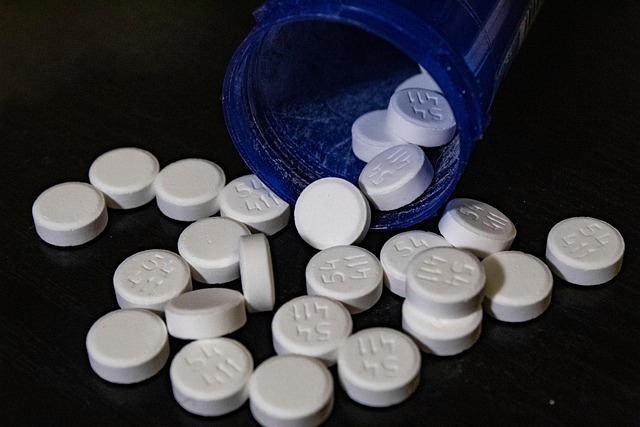
Trade worker addiction treatment presents a unique challenge due to the demanding nature of their professions. Blue-collar workers often face physically and mentally strenuous tasks, long work hours, and high-stress environments, which can contribute to substance abuse and addiction. These factors create a complex web where coping mechanisms may include alcohol or drugs as a means to alleviate stress and physical pain, leading to a vicious cycle that hinders their ability to seek help and recover.
Understanding these unique circumstances is crucial for developing effective union addiction support. EAP programs, tailored specifically for trade workers, can offer comprehensive trade worker addiction treatment options within their communities. By addressing the root causes of addiction and providing peer support, these programs foster a sense of camaraderie and understanding, enhancing the chances of successful recovery among union members.
Specialized Recovery Programs for Union Members

Specialized addiction recovery programs have been designed specifically to cater to the unique needs of trade workers and union members in Bergen County. These programs recognize the challenges faced by blue-collar individuals, who often deal with high-stress work environments, long hours, and a distinct culture that may historically have lacked open discussions about mental health and addiction. As a result, specialized recovery initiatives offer tailored support, addressing not just the addiction but also the underlying social and psychological factors at play.
Trade worker addiction treatment programs often integrate peer support groups, individual counseling sessions, and holistic healing practices to provide comprehensive care. Employee Assistance Programs (EAPs) within unions have played a pivotal role in promoting early intervention and access to these specialized services. By offering confidential resources and union-affiliated support networks, EAP programs encourage members to seek help without fear of repercussions, fostering a culture of open dialogue and recovery among trade workers.
Tailored Therapy: Addressing Specific Addictions

For trade workers and union members struggling with addiction, specialized therapy programs offer a tailored approach to recovery. These programs recognize that the demands and stressors unique to blue-collar professions can contribute to substance abuse. By addressing these specific challenges, treatment becomes more effective and aligned with their lifestyle. For instance, EAP programs within unions often include confidential counseling services specifically designed for members facing addiction issues.
This targeted therapy goes beyond general support by incorporating industry-related insights into the recovery process. It may involve managing work-related stress, coping with job pressures, or finding healthy distractions from the demanding nature of trade work. Such personalized strategies empower workers to overcome their addictions and return to their careers with enhanced resilience and a renewed sense of purpose.
Supportive Community: Reclaiming Life After Addiction

Reclaiming Life After Addiction focuses on building a supportive community for trade workers and union members struggling with substance use disorders. This program understands the unique challenges faced by blue-collar individuals, recognizing that addiction often stems from the pressures of their demanding professions. By fostering a sense of camaraderie, participants find strength in numbers as they navigate the path to recovery together. The approach emphasizes peer support, where those in recovery help one another stay accountable and motivated throughout the process.
This community-centric treatment model goes beyond individual therapy by creating an environment that encourages open communication and shared experiences. Through group sessions, workshops, and social activities, participants build lasting connections, fostering a sense of belonging. This network provides ongoing union addiction support, ensuring trade workers have access to resources and understanding as they rebuild their lives free from addiction. EAP programs within these communities play a pivotal role in promoting early intervention and continuous well-being for all members.
In Bergen County, specialized addiction recovery programs are transforming lives by addressing the unique challenges faced by union members and trade workers. By combining tailored therapy, supportive communities, and comprehensive care, these programs offer a path to reclaiming life after addiction. Trade worker addiction treatment is no longer an abstract concept; it's a proven solution for those ready to break free from the cycle of addiction and rebuild their future.